
The U.S.-Israel-Iran war is a grave global concern not only on humanitarian grounds but also from an economic standpoint. As Iran is one of the largest suppliers of crude oil, natural gas, and metals, the auto industry worldwide has long been dependent on it. Now, with the ongoing Iran war, like most other car markets, the Indian automobile industry is in a stressful situation. Let’s dive deeper into the matter and understand the consequences of this war for the Indian automobile industry.
Rise in EV sales
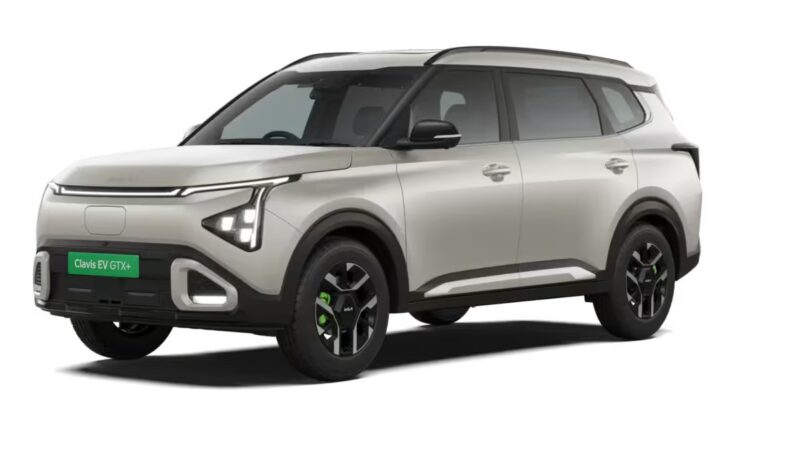
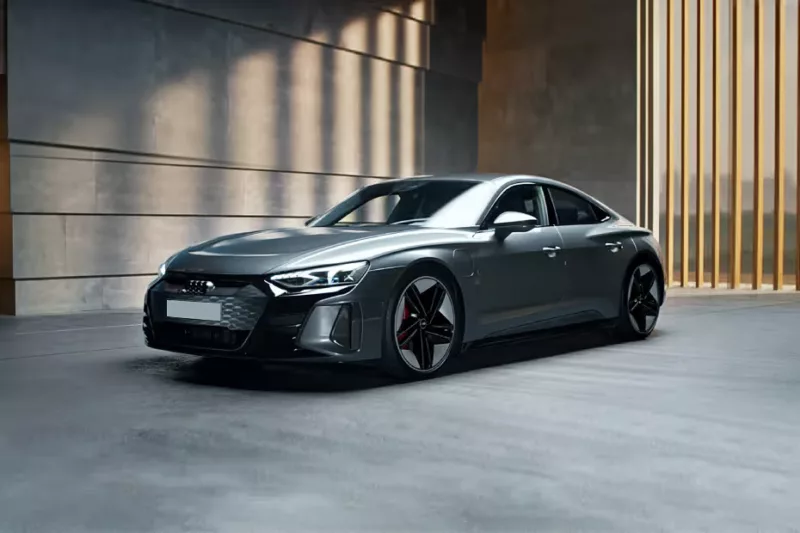
The first and obvious consequence will be the surge in electric car sales. While India has not seen any significant rise in fuel prices, the possibility and unpredictability of a hike in fuel prices are making buyers more interested in EVs. In March 2026, many electric car manufacturers reported higher enquiries for electric cars. The largest EV car brand in India, Tata Motors, reported 20 to 30 percent growth in EV sales in March. While the Iran War is not the only reason for the surge in EV sales in March, as March is generally a good month for the entire passenger vehicle market, the prevailing uncertainty of the fuel prices is certainly driving more people towards EVs.
In overseas regions like Europe, where fuel prices have risen due to the war, countries like the UK, Germany, France, and Spain reported huge increases in inquiries about electric vehicles.
Cars can become costlier
The Iran War can make cars costlier for a few reasons.
First, while the Indian automobile industry has never seen a large-scale disruption, it is currently under serious stress in its supply chains. Not only is it getting harder to import raw materials, but the availability of raw materials is also being reduced. For example, the Indian automobile industry has been importing high-grade aluminium, used in making auto parts like alloy wheels, from Iran and other West Asian countries. However, now OEMs are looking at alternative sources, which can make the raw material more expensive.
Second, since importing the raw material is becoming harder, many OEMs are resorting to expensive logistics measures such as air freight (transporting goods by aircraft). This can eventually result in rising car prices.
Third, if the fuel prices increase, the vehicle manufacturing costs will increase, eventually increasing the car prices.
Summary
While a war is never good news, the Iran War can accelerate EV adoption in India. At the same time, cars can become pricier if the Iran War continues for a long time. Waiting periods for car deliveries might also increase as manufacturing time can become longer than usual. All the same, currently, the Indian auto industry is seeing high sales, and the SIAM predicts that the strong momentum will continue for the coming months. Even though the uncertainties and unpredictability related to the Iran War are causing a stressful time, let’s hope for the best possible outcome for the Indian automobile industry.