



Car Warranty Comparison: Mahindra Warranty vs. Kia Warranty

Last updated 1 day ago
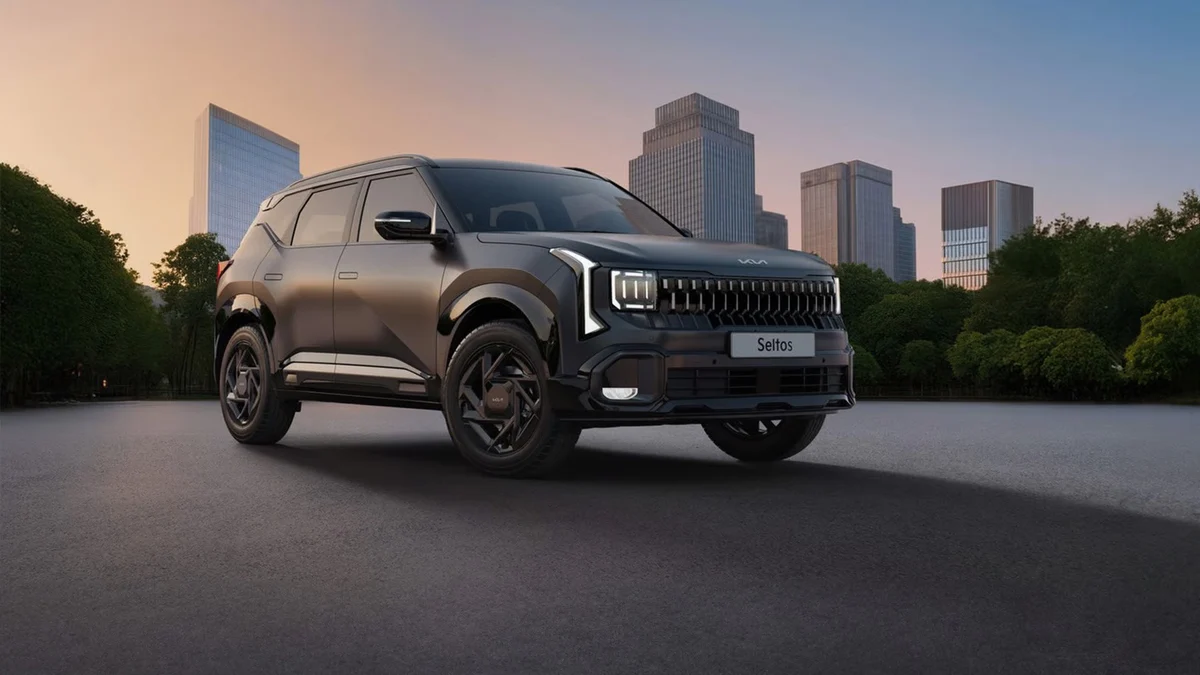
New Kia Seltos
Last updated 1 day ago

A manufacturer warranty is meant to protect you from unexpected repair costs when a part fails due to a manufacturing defect. It becomes especially important in India, where long commutes, heavy traffic, heat, and rough road patches can add stress to mechanical and electronic systems.

In this car warranty comparison India guide, we compare Mahindra warranty and Kia warranty using the same owner-focused lens: what the warranty is designed to cover, how validity is typically structured, how extended coverage works, whether it can be transferred to the next owner, and how the claim process usually plays out at authorised service centres. Warranty terms can vary by model and by the specific plan chosen, so use this as a practical framework and confirm the exact terms for your car before purchase.

Mahindra Warranty vs Kia Warranty – Overview

Before looking at specific components, it helps to compare the overall structure of both warranties. The table below gives you a quick snapshot of the most decision-making parameters, especially how duration is framed and how support usually works.

ParameterMahindra WarrantyKia Warranty
Coverage TypeManufacturer warranty covering defects in material or workmanship; extended warranty options available on eligible modelsManufacturer warranty covering defects in material or workmanship; extended warranty options available on eligible models
Coverage DurationCommonly structured as a time period plus a kilometre cap, whichever comes firstOften positioned as a time period with plan-specific kilometre terms; many buyers prefer Kia’s mileage-friendly framing on select models and plans
Starting PointTypically starts from vehicle delivery, first retail sale, or registration date as per warranty bookletTypically starts from vehicle delivery, first retail sale, or registration date as per warranty booklet
TransferabilityGenerally transferable to the next owner, subject to conditions and processGenerally transferable to the next owner, subject to conditions and process
Claim ProcessThrough authorised Mahindra service centres after inspection and diagnosisThrough authorised Kia service centres after inspection and diagnosis
SupportStrong authorised network across India; warranty support depends on service history and complianceGrowing authorised network with strong urban presence; warranty support depends on service history and compliance

Both brands follow the same basic promise: if a covered part fails due to a manufacturing defect within the warranty period, the brand repairs or replaces it as per policy. The day-to-day difference for buyers is usually about what feels easier to live with: a clearly defined kilometre cap structure or a more mileage-relaxed plan choice, plus how convenient the service network is where you live.

In short, both Mahindra and Kia are solid on fundamentals. The best pick depends on your annual running and how easily you can access a reliable authorised service centre.

Mahindra Warranty vs Kia Warranty: Coverage Scope (What each Warranty includes)

Coverage scope matters because it decides whether your warranty will actually help in a real breakdown scenario. The table below compares common systems, but remember that coverage decisions usually come down to defect versus wear versus external damage.

Component/AreaMahindra WarrantyKia Warranty
Engine and TransmissionGenerally covered for manufacturing defects in covered components, subject to terms and exclusionsGenerally covered for manufacturing defects in covered components, subject to terms and exclusions
Electrical ComponentsCovered for defects in covered electrical parts; exclusions may apply for accessory wiring, water exposure, or modificationsCovered for defects in covered electrical parts; exclusions may apply for accessory wiring, water exposure, or modifications
SuspensionCovered if a covered part fails due to defect; wear-related deterioration usually excludedCovered if a covered part fails due to defect; wear-related deterioration usually excluded
Steering SystemCovered for defects in covered parts; alignment and periodic adjustments typically excludedCovered for defects in covered parts; alignment and periodic adjustments typically excluded
AC SystemCovered for defects in covered parts; gas top-ups and consumables typically excludedCovered for defects in covered parts; gas top-ups and consumables typically excluded
Fuel SystemCovered for defects in covered components; fuel contamination issues typically excludedCovered for defects in covered components; fuel contamination issues typically excluded
Wear and TearGenerally not covered (brake pads, clutch wear, tyres, wipers, bulbs, filters, fluids, etc.)Generally not covered (brake pads, clutch wear, tyres, wipers, bulbs, filters, fluids, etc.)

Both Kia warranty and Mahindra warranty are primarily defect protection, not a maintenance plan. This is the most important mindset shift for buyers. Wear-and-tear items like brake pads, clutch wear, tyres, wipers, bulbs, filters, and fluids are typically excluded.

The second big point is external causes. Flooding and water ingress, accident impacts, fuel contamination, rodent damage, and issues linked to aftermarket electrical wiring often sit outside standard warranty. This matters even more today because cars are more electronics-heavy than ever. A small wiring change for an accessory can sometimes trigger faults that become difficult to classify, and that can complicate claims.

From an ownership perspective, both Mahindra and Kia cover the expensive fundamentals when the failure is clearly defect-related. Your claim outcome usually depends on how well you maintain the car, whether you follow the service schedule, and whether the vehicle remains close to factory condition.

Overall, coverage scope is similar in principle for both. The difference is less about what is listed and more about how cleanly the situation looks when a claim is raised.

Mahindra Warranty vs Kia Warranty: Validity & Flexibility

Validity and flexibility decide how useful the warranty will feel over time. Some owners care most about years, while others care about kilometres because they drive a lot. The table below focuses on the practical levers: duration structure, extendability, eligibility, and ownership transfer.

ParameterMahindra WarrantyKia Warranty
DurationTypically time plus kilometre limits, whichever comes firstTypically time based with plan-specific kilometre terms; extended plan choices may differ by model
ExtendabilityExtended warranty options available on many eligible models, often in tiered plansExtended warranty options available on many eligible models, often as add-on years with plan variants
EligibilityUsually depends on model, vehicle age, mileage, and enrolling within the allowed purchase windowUsually depends on model, vehicle age, mileage, and enrolling within the allowed purchase window
Ownership TransferGenerally allowed with documentation and conditionsGenerally allowed with documentation and conditions

If you drive moderate kilometres each year, both Mahindra warranty and Kia warranty can feel equally comfortable, and your focus should shift to extended warranty value. Extended warranty is most useful for owners who plan to keep the car longer than the base warranty period and want more predictable costs in later years.

If you drive high kilometres, the kilometre limits and the extended plan’s kilometre terms become the deciding factor. A plan that adds years but ends early on kilometres may not deliver the peace of mind you expect. For highway-heavy users, it is worth comparing how quickly you might reach the kilometre ceiling and choosing the plan accordingly.

Transferability is a strong resale advantage for both, but it is rarely automatic. It typically requires following the brand’s transfer process, maintaining proper service records, and staying compliant with warranty conditions.

Both offer extension and transfer benefits. The smarter pick is the one whose time-and-kilometre terms match your running and how long you plan to keep the car.

Mahindra Warranty vs Kia Warranty: Claim Process & Ease of Service

A warranty is only useful if you can actually claim it smoothly. The table below compares the typical claim flow and what usually affects timelines and approval.

ParameterMahindra WarrantyKia Warranty
Claim MethodAuthorised service centre visit, inspection, diagnosis, and warranty validationAuthorised service centre visit, inspection, diagnosis, and warranty validation
Process TimeDepends on diagnosis complexity, approvals (if needed), and part availabilityDepends on diagnosis complexity, approvals (if needed), and part availability
Payment TypeCovered repairs are typically processed as warranty; customer pays for non-covered items and consumablesCovered repairs are typically processed as warranty; customer pays for non-covered items and consumables
AssistanceService advisor coordinates job card, diagnosis, and warranty processingService advisor coordinates job card, diagnosis, and warranty processing
DocumentationService history and job card notes typically required; additional documents may be requestedService history and job card notes typically required; additional documents may be requested

In real ownership, claims are usually straightforward when the failure is clearly defect-related and the vehicle has been serviced on schedule. Delays usually show up in grey-zone cases, such as suspension noises that could be wear or impact-related, electrical issues that could be linked to accessories, or problems after water exposure.

To reduce friction, keep job cards and invoices, follow service schedules, avoid risky aftermarket wiring changes, and report issues early so diagnosis happens well within warranty validity.

Summary

Mahindra warranty and Kia warranty both provide solid manufacturer-backed defect coverage, extended warranty options on eligible models, and transferability under conditions. They also share similar exclusions in principle, especially wear-and-tear items and damage caused by external factors like accidents, flooding, contaminated fuel, or improper modifications.

Overall, Mahindra warranty is the better warranty to consider for a wider set of Indian buyers. The biggest practical reason is service reach and usage fit. Mahindra’s customer base includes many owners who use their vehicles across varied road conditions and longer routes, and the authorised support ecosystem in many regions can make warranty usage more practical. The time-plus-kilometre structure is also clear and predictable for buyers who want defined boundaries.

Kia warranty remains a strong option, especially for urban owners who prioritise a modern ownership experience and choose an extended plan that matches their annual running. But as a general default pick across mixed geographies and usage patterns in India, Mahindra’s warranty plus its broader service accessibility makes it the safer overall choice.

FAQ about Mahindra Warranty vs. Kia Warranty

  1. Q. Which is better in this car warranty comparison India, Mahindra warranty or Kia warranty?

    Mahindra warranty is generally a safer default for a broader set of Indian usage patterns because of practical service accessibility and predictable structure. Kia warranty is also strong, especially when the plan terms match your annual running.

  2. Q. Does manufacturer warranty cover routine servicing and consumables?

    No. Routine servicing, periodic maintenance, and consumables like filters, fluids, brake pads, tyres, wipers, and bulbs are typically excluded.

  3. Q. Are electronics and infotainment covered under warranty?

    If a covered electronic unit fails due to a manufacturing defect, it is typically covered. Faults linked to water exposure, physical damage, or aftermarket wiring can complicate claims.

  4. Q. Can Mahindra or Kia warranty be transferred to the next owner?

    In many cases, yes, subject to conditions and completing the brand’s transfer process with proper documentation and service history.

  5. Q. What are common reasons for warranty claim rejection?

    Missed scheduled services, unauthorised repairs, risky electrical modifications, use of non-genuine parts in sensitive systems, and damage linked to accidents, flooding, or fuel contamination are common reasons.

Share

Leave a Comment

Your email address will not be published. Required fields are marked *

A-Z Glossary

Every car part & feature, explained

News

The latest from the automotive world
Best Cars

The crème de la crème of cars

Rules & Regulations

Every law & regulation, explained

Car Ownership

Everyday car-care tips & advice

Buying a car

Make the right buying decision

Selling a car

Make the right selling decision

Miscellaneous

Cars & eveything in-between

5,000,000+ Readers

We’re ❤️ne big family!

Follow us for accurate, impartial & up-to-date information around everything related to cars – Latest news & developments, best options for every budget & lifestyle, ownership tips, buying & selling advice and a lot more on Spinny Magazine.

Unbiased
4.5/5
Reliable
4.5/5
Helpful
4.5/5
Scroll to Top

Want to Sell your Car?

Choose your brand below to get started: