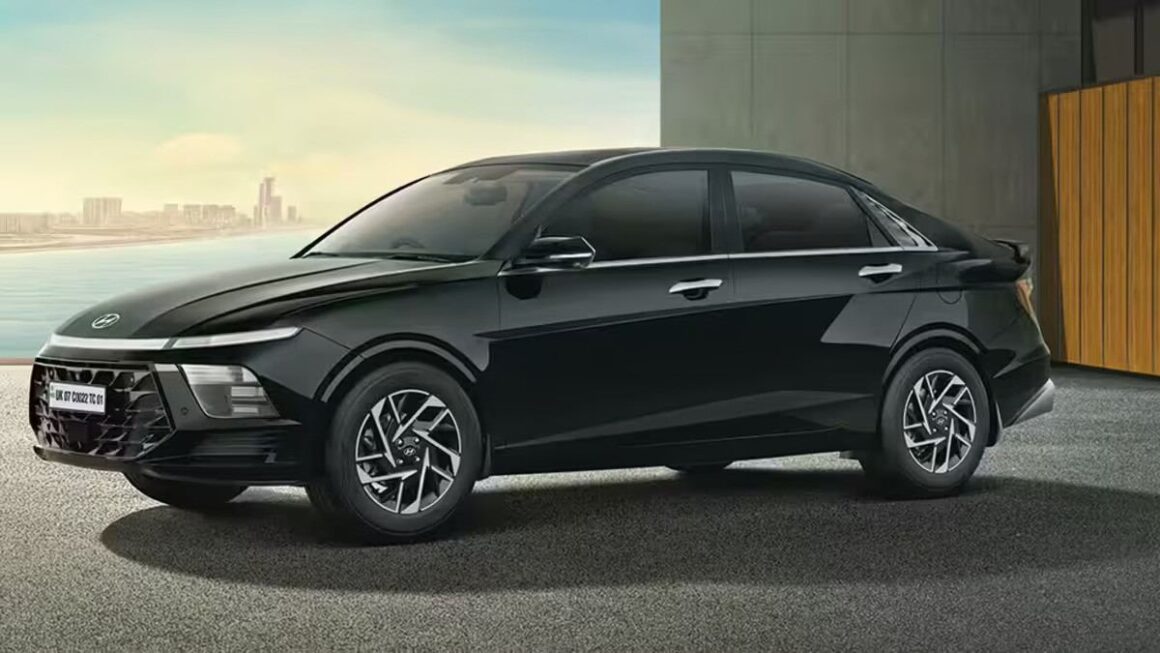
Hyundai has launched the 2026 Hyundai Verna facelift at the starting price of Rs. 10.98 lakh (ex-showroom). The new Verna has arrived with several cosmetic updates, some added features, and new nomenclature for its variants: HX2, HX4, HX6, HX6 Plus, HX8 and HX10. Here is a closer look at the new Hyundai Verna.
2026 Hyundai Verna Facelift: Design and Dimensions
Dimensionally, the new Hyundai Verna is the same as the pre-facelift model. It is 4,565 mm long, 1,765 mm wide, and 1,475 mm tall, with a wheelbase of 2,670 mm and a boot space of 528 litres.
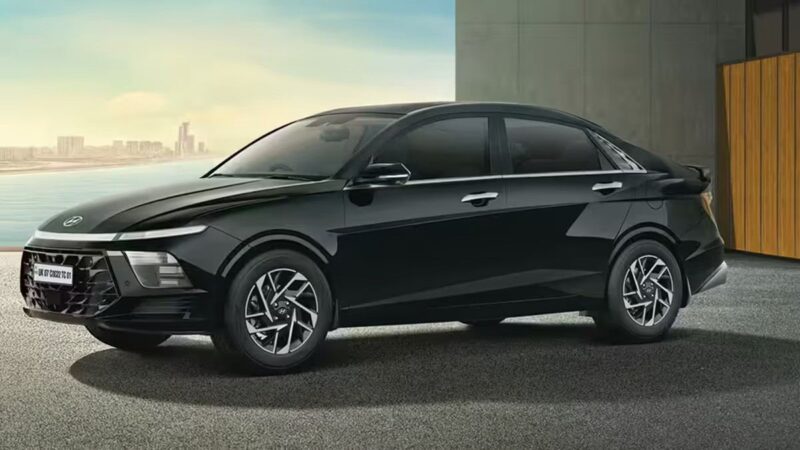
Up front, the new Verna has brought in subtle updates, such as a new, larger headlamp cluster and a revised bumper. The blacked-out grille is the same as before, as is the full-width LED DRL strip at the nose. The side profile highlights slightly refreshed 16-inch alloy wheels, while the aggressive cuts and creases have not been updated. At the rear too, there is no significant update; like the pre-facelift model, the tail lamps are connected by a light bar underlining ‘VERNA,’ lettering.
Meanwhile, Hyundai has added two new exterior colour options: Classy Blue and Titan Grey Matte, while the other colour options: Starry Night, Atlas White, and Abyss Black continue to be on sale.
2026 Hyundai Verna Facelift: Interior and Features
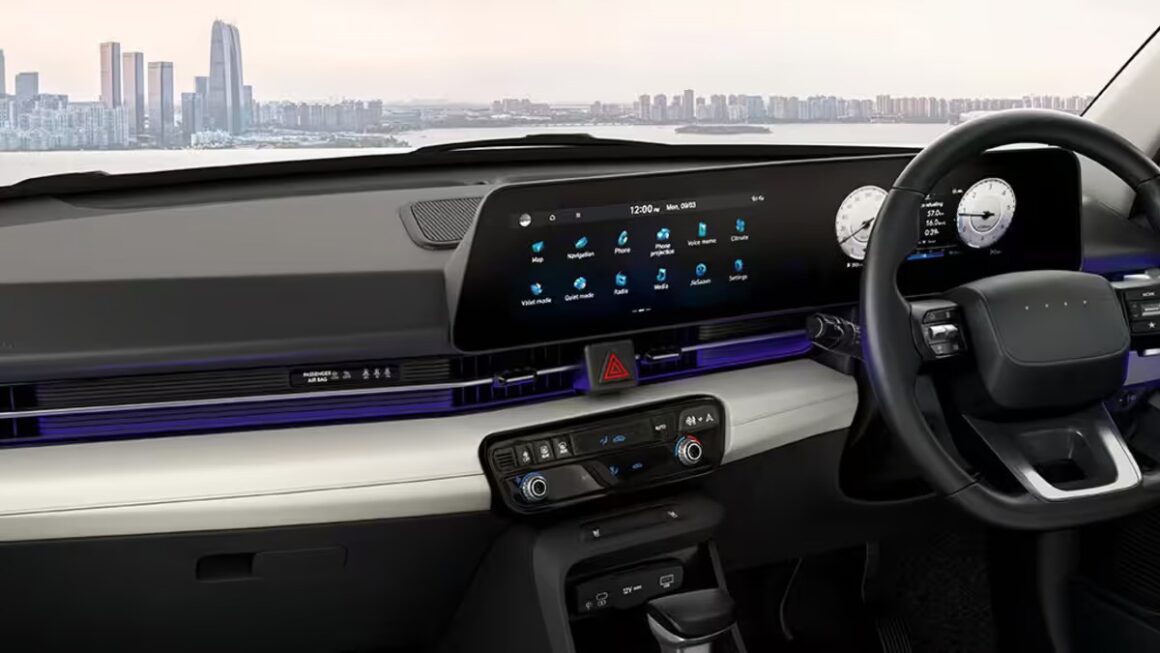
On the inside, the Verna continues with the same dual-tone black-and-white colour theme and dashboard layout. However, the Hyundai has redesigned the steering wheel, adding a new Morse code Hyundai logo: four dots that stand for the letter ‘H’. This design element is also there in the Hyundai Ioniq 5, Hyundai Creta Electric, and Hyundai Venue.
In terms of features, the Verna gets a few additions: a 4-way electrically adjustable front passenger seat with Boss mode, a memory function for the 8-way electrically adjustable seat, a powered tailgate, and rear window sunshades. In addition to these, the Verna continues to offer a 10.25-inch touchscreen infotainment system with wireless Android Auto and Apple CarPlay, a 10.25-inch digital instrument cluster, multi-colour ambient lighting, automatic climate control with rear vents, a single-pane sunroof, and more.
For the safety equipment, the Verna offers six airbags as standard, a 360-degree camera with blind spot monitor, an in-built dashcam, electronic stability control (ESC), all-wheel disc brakes, front and rear parking sensors, an electronic parking brake with auto-hold, a tyre pressure monitoring system (TPMS), a Level 2 ADAS safety suite, and others. The top variant now offers seven airbags (upgraded from 6 airbags on the previous model).
2026 Hyundai Verna Facelift: Engine and Transmission
The Hyundai Verna continues with the same powertrain options as the pre-facelift model. It is powered by a 1.5-litre naturally aspirated petrol engine that produces 115 PS and 144 Nm of peak torque, and is mated to either a 6-speed manual gearbox or a CVT automatic. Another engine option is a 1.5-litre turbo petrol engine that produces 160 PS and 253 Nm of peak torque, paired with either a 6-speed manual gearbox or a 7-speed DCT automatic.
2026 Hyundai Verna Facelift: Price and Rivals
| Variant | 1.5-litre NA Petrol MT | 1.5-litre NA Petrol CVT | 1.5-litre turbo petrol MT | 1.5-litre turbo petrol DCT |
| HX2 | Rs 10.98 lakh | |||
| HX4 | Rs 12.25 lakh | |||
| HX6 | Rs 13.19 lakh | Rs 14.40 lakh | ||
| HX6+ | Rs 13.81 lakh | Rs 15.02 lakh | ||
| HX8 | Rs 14.88 lakh | Rs 16.09 lakh | Rs 16.28 lakh | Rs 17.62 lakh |
| HX10 | Rs 17.15 lakh | Rs 18.25 lakh |
With these prices, the new Hyundai Verna will rival the Honda City, Skoda Slavia, and Volkswagen Virtus.